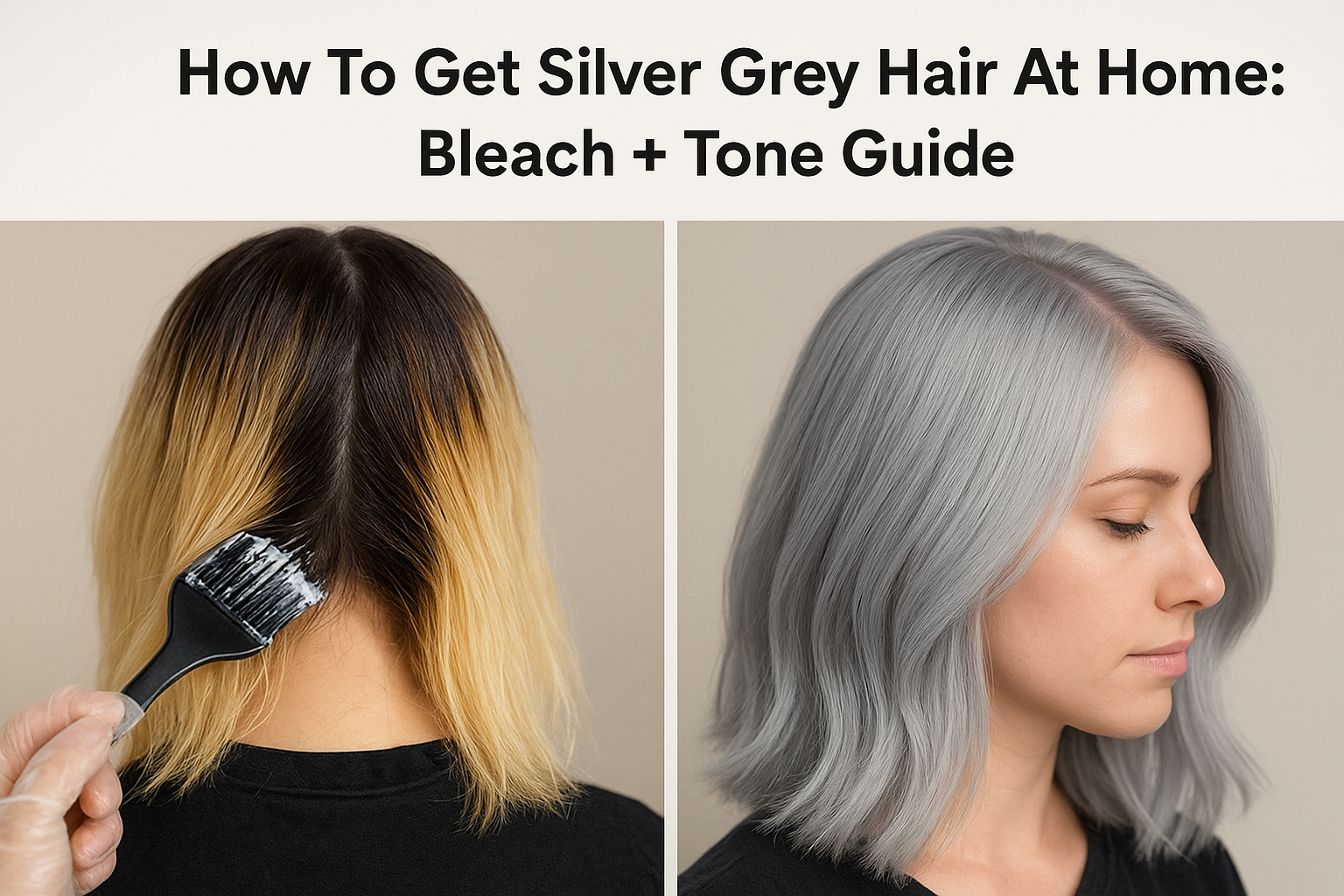

Artikel: Colour Protecting Shampoo: What It Is And How To Choose
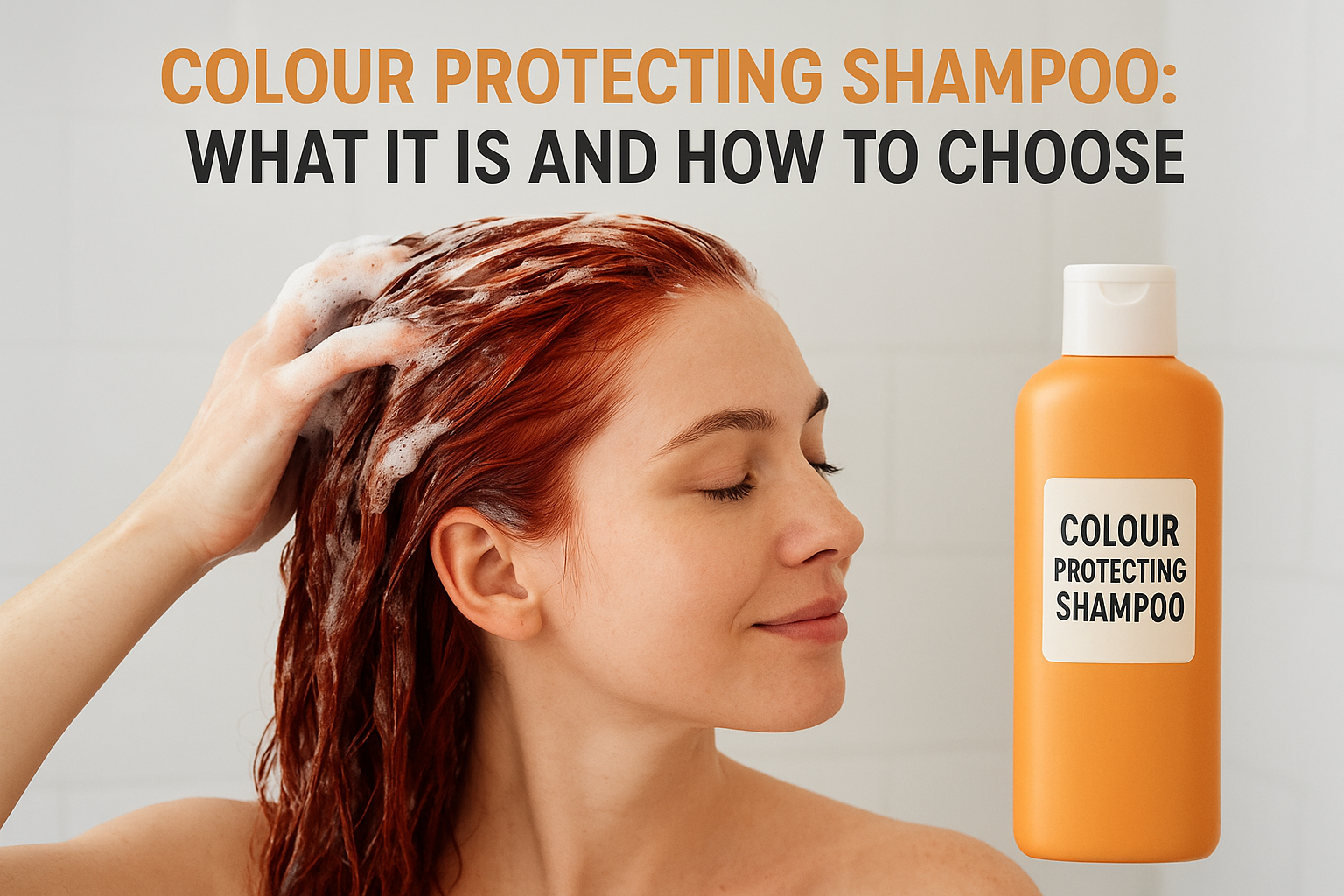
Colour Protecting Shampoo: What It Is And How To Choose
You've spent time picking out the perfect shade, carefully applied it, and the result looks incredible. But within a few washes, that vibrant colour starts to dull. This is where colour protecting shampoo comes in, a product specifically designed to keep dyed hair looking fresh for longer by tackling the exact factors that cause colour to fade.
Not all shampoos are equal when it comes to coloured hair. Standard formulas can strip colour molecules from the hair shaft, undoing your hard work in a matter of weeks. A good colour protecting shampoo uses gentler surfactants, lower pH levels, and targeted ingredients that lock pigment in while still cleaning effectively. The difference it makes is significant, whether you've gone for a bold pink or a subtle copper shift.
At Smart Beauty, we know that great colour doesn't stop at application. Our plex-enriched, vegan hair dyes are formulated to last, but aftercare matters just as much as the dye itself. This guide breaks down exactly what colour protecting shampoo is, how it works, and what to look for so you can keep your shade looking salon-fresh between colour sessions.
Why colour protecting shampoo matters
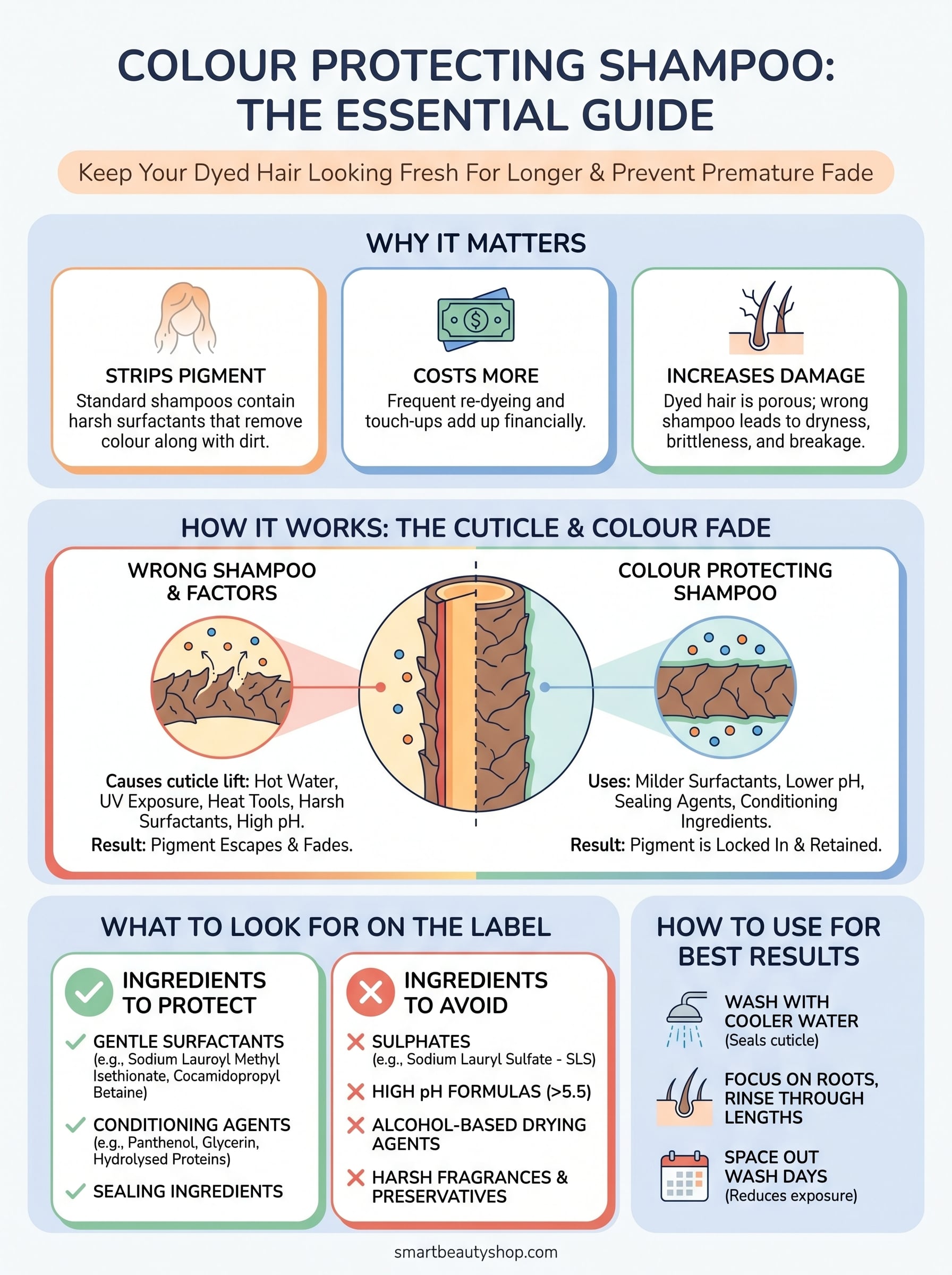
When you colour your hair, you invest time, money, and effort into getting the result you want. Using a standard shampoo on coloured hair works against that investment from the very first wash. Regular shampoos contain harsh surfactants designed to strip oils and buildup, but they don't distinguish between dirt and colour molecules. The result is predictable: your shade fades faster than it should, and the vibrancy you started with disappears long before your next colour session.
The real cost of using the wrong shampoo
Most people don't immediately link fading colour to their shampoo choice, but the connection is direct. Every time you wash with a non-colour-safe formula, the surfactants open the hair cuticle and pull pigment out with the rinse water. You can often see this happening in the shower, as the water carries strong colour tones even weeks after dyeing. Your shampoo, quite simply, is working against the shade you've chosen.
The financial argument is equally clear. Salon visits and at-home colour kits cost money, and frequent touch-ups add up quickly. A colour protecting shampoo costs significantly less than re-dyeing your hair every few weeks and can extend your colour's life by several washes. Treating it as a protective barrier between the shade you've achieved and the daily factors that strip it away makes straightforward financial sense.
Switching to a colour-safe shampoo is one of the most effective changes you can make to keep your shade looking fresh between colour sessions.
More than just fading
Colour fade is the obvious concern, but there are other strong reasons to be selective about your shampoo. Dyed hair is more porous than untreated hair, particularly if you've used a bleach or lightener before applying your shade. That extra porosity means your hair loses moisture more easily after every wash, which can lead to dryness, brittleness, and breakage if you're not using products specifically formulated to support colour-treated strands.
A good colour protecting shampoo doesn't just preserve your shade. It also supports the structural condition of your hair by using gentler formulas that retain moisture while still cleaning effectively. For anyone using plex-enriched dyes, pairing them with a colour-safe shampoo helps maintain the strengthening benefits that plex technology delivers during the colouring process, meaning your hair stays softer and more resilient over time.
How wash frequency plays into this
Beyond your shampoo choice, how often you wash your hair directly affects how long your colour lasts. Each wash cycle creates an opportunity for pigment loss, regardless of the product you use. A colour protecting shampoo reduces how much pigment escapes per wash, and spacing out wash days where your lifestyle allows compounds that benefit noticeably, keeping your colour richer for longer without requiring any extra effort.
How colour fades and what shampoo can change
Understanding why colour fades helps you make smarter choices about everyday products. Hair dye works by depositing pigment molecules into or onto the hair shaft, depending on whether you're using a permanent, demi-permanent, or semi-permanent formula. The cuticle, the outer protective layer of each strand, plays a central role in this. When the cuticle sits flat and smooth, it holds those pigment molecules in place and your colour stays vibrant. When it lifts or becomes damaged, pigment escapes.
What causes the cuticle to lift
Several everyday factors force the cuticle open and accelerate colour loss. Each one creates an opportunity for pigment to escape, and most people encounter more than one on a daily basis:

- Hot water raises the cuticle during every shower, releasing pigment with the rinse
- UV exposure breaks down colour molecules directly, regardless of wash frequency
- Heat styling tools dry out and lift the cuticle with repeated use
- Hard water minerals and sweat also disrupt the cuticle's ability to stay sealed
Controlling how often and how severely the cuticle lifts is the most direct way to extend how long your colour stays vibrant.
What a colour protecting shampoo actually changes
A colour protecting shampoo targets the washing process specifically, which is one of the most frequent and avoidable points of pigment loss. These shampoos use milder surfactants that clean effectively without aggressively forcing the cuticle open, so less pigment escapes per wash. Many formulas also include ingredients that smooth and seal the cuticle after cleansing, locking remaining pigment in more effectively than a standard formula would.
The results become clear over several weeks. Your colour holds its tone longer, the shade stays truer to what you originally applied, and your hair retains moisture more consistently because the cuticle isn't repeatedly forced open and left exposed between sessions.
What to look for on the label
The shampoo aisle offers a lot of products that claim to be colour-safe or colour-protecting, but the label tells the real story. Knowing which ingredients to look for, and which to avoid, helps you pick a colour protecting shampoo that actually delivers rather than one that simply carries the right marketing language.
Ingredients that protect colour
Look for formulas that list mild or gentle surfactants near the top of the ingredients list. Sodium lauryl sulfate (SLS) is a common surfactant found in many standard shampoos, and it is particularly aggressive at stripping colour. Better alternatives include sodium lauroyl methyl isethionate, sodium cocoyl isethionate, or cocamidopropyl betaine, all of which clean effectively without forcing the cuticle open as aggressively. If you see these listed instead of SLS, that is a good sign.
A surfactant listed at the top of an ingredients list tells you more about how a shampoo performs than any claim on the front of the bottle.
Beyond surfactants, look for conditioning and sealing agents such as panthenol, glycerin, or hydrolysed proteins. These ingredients help smooth the cuticle after washing, which keeps pigment locked in more effectively and leaves your hair feeling softer with each wash.
Ingredients to avoid
Sulphates are the primary concern, but they are not the only issue. High pH formulas lift the cuticle and accelerate pigment loss, so products with a pH above 5.5 are worth avoiding on coloured hair. Some shampoos also contain alcohol-based drying agents that compound moisture loss in already porous dyed hair. Stripping fragrances and harsh preservatives can also disrupt the cuticle over time, making your colour dull faster than it otherwise would.
You do not need to memorise every chemical name, but checking for sulphate-free claims and gentle pH-balanced formulas on the label gives you a reliable shortcut to a better product choice.
How to choose for your hair and colour type
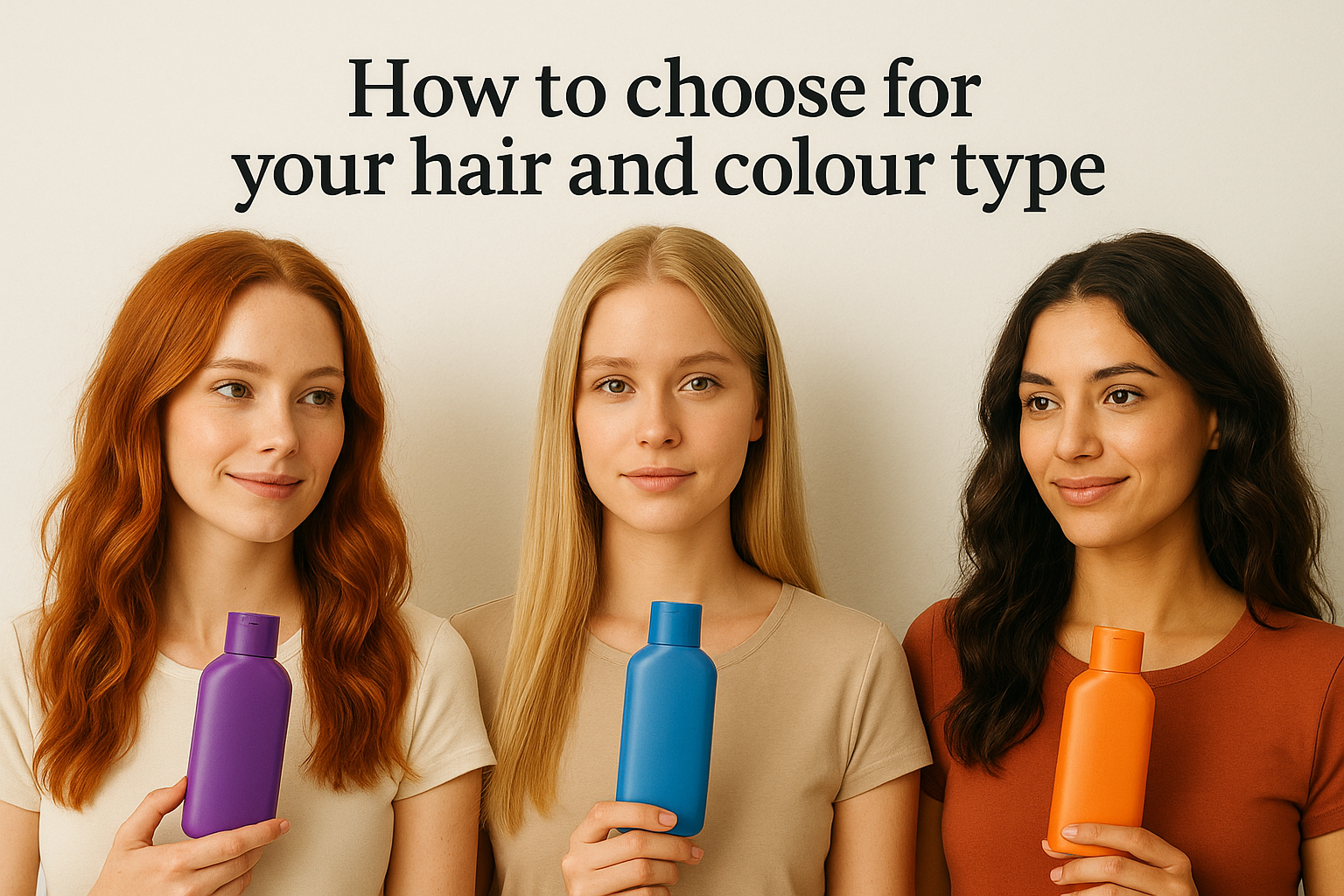
Not every colour protecting shampoo works equally well for every hair type or shade. Your specific colour and the current condition of your hair both influence which formula will serve you best, so a one-size-fits-all approach rarely delivers the results you want.
For bold and vibrant shades
If you're maintaining a strong, statement colour such as pink, red, blue, or deep purple, look for a colour protecting shampoo that also contains colour-depositing pigments. These formulas do double duty: they clean your hair while refreshing the tone with every wash, compensating for the natural fading that happens between dye sessions. Bold shades tend to fade faster than natural-looking ones, so this extra step makes a noticeable difference in how long your colour stays vivid.
A colour-depositing shampoo can significantly reduce how often you need to re-dye bold, saturated shades.
For blondes and lightened hair
Blonde and bleached hair has its own specific needs. Brassiness is the main concern, where warm yellow and orange tones develop as the colour fades or oxidises. A purple or blue toning shampoo neutralises those warm tones by depositing cool pigment that counteracts brassiness, keeping your blonde clean and bright between sessions. Look for formulas that also include deep conditioning agents, since lightened hair is structurally more porous and prone to dryness.
For brunettes and natural-looking shades
If your shade sits closer to your natural tone, or you've added warm copper or brown tones, a gentler sulphate-free formula without depositing pigments is usually enough. Your priority here is maintaining moisture balance and preventing dullness rather than counteracting strong tonal shifts. Opt for a colour protecting shampoo that lists conditioning agents prominently and focuses on cuticle sealing to keep your colour looking rich and healthy between sessions.
How to use it for longer-lasting colour
Even the best colour protecting shampoo delivers stronger results when you pair it with the right technique. How you wash your hair has as much impact on colour longevity as the product itself, so small adjustments to your routine can make a real difference over time.
Wash with cooler water
Hot water is one of the most consistent causes of colour fade, and it is also one of the easiest factors to control. Washing your hair with warm or cool water keeps the cuticle from lifting aggressively during each wash, which means less pigment escapes every time you shower. You do not need to wash in cold water, but turning the temperature down even slightly is a straightforward change that pays off over several weeks.
Finishing your wash with a cool rinse seals the cuticle and locks in both moisture and pigment before you step out of the shower.
Spacing out your wash days where possible also compounds the benefit. Fewer wash cycles mean fewer opportunities for the cuticle to open and release colour, so your shade stays richer between sessions without any extra product cost.
Apply and rinse correctly
The way you apply your shampoo matters more than most people realise. Focus the product on your scalp and roots, where oil and buildup actually accumulate, rather than scrubbing it through the lengths of your hair. When you rinse, the shampoo runs through the mid-lengths and ends naturally, which is enough to clean those sections without over-exposing them to surfactants.
Leave the shampoo on for 30 to 60 seconds before rinsing rather than washing it out immediately. This gives the cleansing and conditioning agents in the formula time to work properly, sealing the cuticle more effectively and leaving your colour looking more vibrant after every wash.
Quick recap
Colour protecting shampoo is one of the simplest, most cost-effective changes you can make to extend the life of your dyed hair. It works by using gentler surfactants and a lower pH that clean without aggressively lifting the cuticle, which is where most pigment loss occurs during washing. Pair it with cooler water and reduced wash frequency, along with the right formula for your specific shade type, whether you're maintaining a bold statement colour, keeping your blonde bright, or preserving a natural-looking brunette, and your colour will stay richer and more vibrant for significantly longer between sessions.
Your shampoo choice matters, but it works best as part of a wider approach to colour care that starts with the right products. If you're ready to try a new shade or refresh your current colour, explore our Creative Colour System for high-impact, conditioning formulas that genuinely respect your hair health while delivering the bold, expressive results you're after.